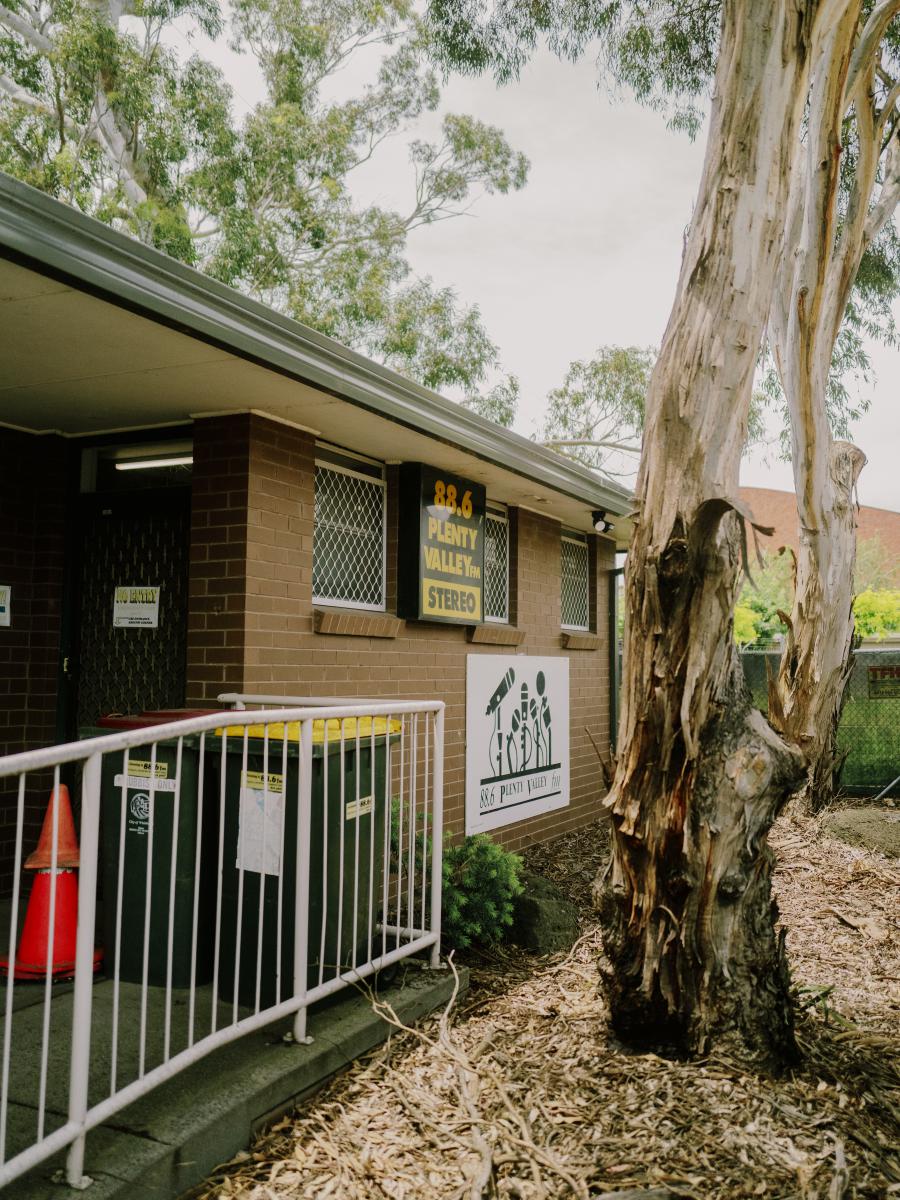
Plenty Valley FM is a community radio station and emergency broadcaster in the north-eastern suburbs of Melbourne.
As an emergency broadcaster the station is responsible for broadcasting emergency information in their coverage area. This is an important service that keeps the community informed when it is most needed.
The station broadcasts to audiences across the City of Whittlesea, the Shire of Nillumbik, and portions of the City of Banyule.
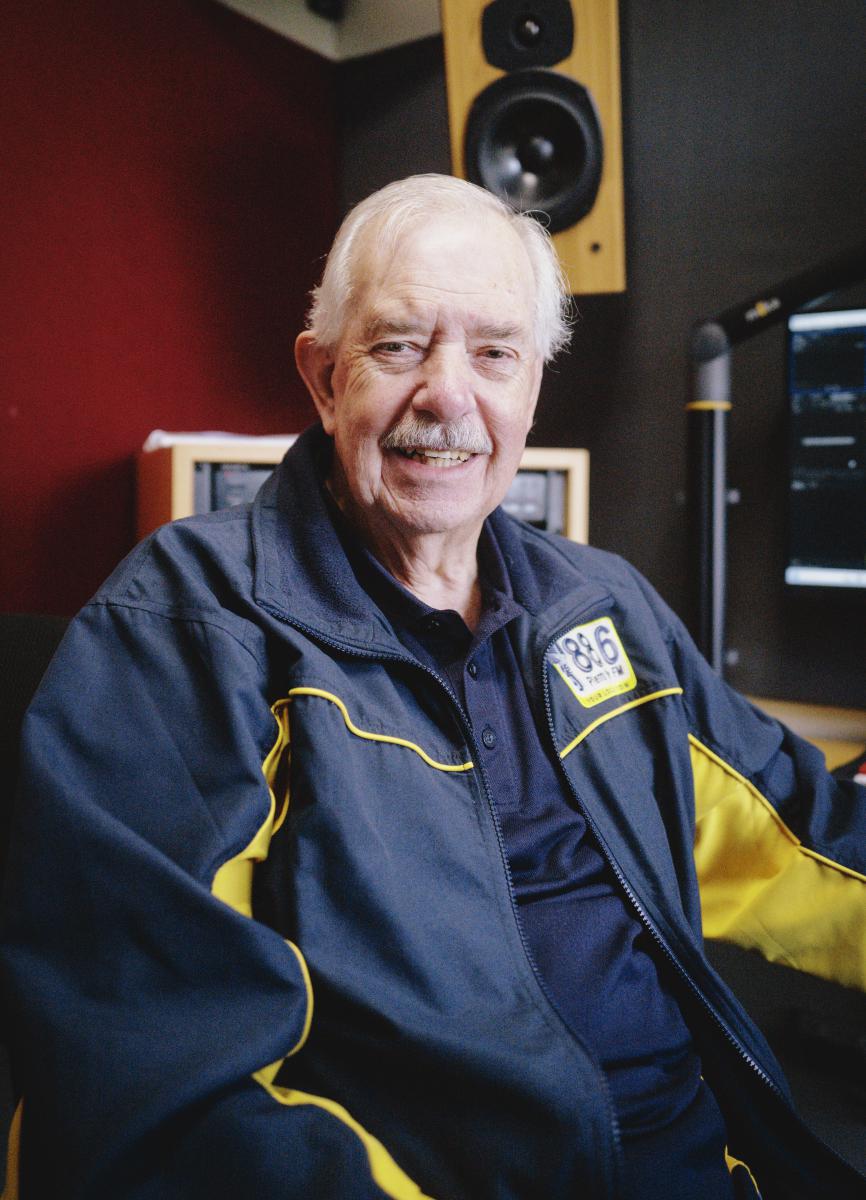
Bill McGillivray, Treasurer of Plenty Valley FM, has been at the station since the station was founded after strong advocacy from the founding President. "We conducted test broadcasts from 1987, including our ‘final’ test broadcast in 1989, and then commenced with our full time licence in December 1990."
Having kept the community informed during countless emergencies, the one that sticks out the most for Bill was Black Saturday.
“The station wasn't an emergency broadcaster as we know emergency broadcasters today. I was at home and I opened the door about 5:00pm. The heat and wind were tremendous.”
“About 8:30pm that night, the message came through and we then went into emergency broadcast mode. We were broadcasting all the messages that were coming through from the CFA, at the time, about where the fires were, (and) what to do in the circumstances,” he said.
“Throughout the weeks that followed, we found out that people were coming around to the Whittlesea Showgrounds for relief efforts and things of that nature. From then on, we continued to broadcast, on a weekly basis, information to the public about relief efforts.”
An important source of information
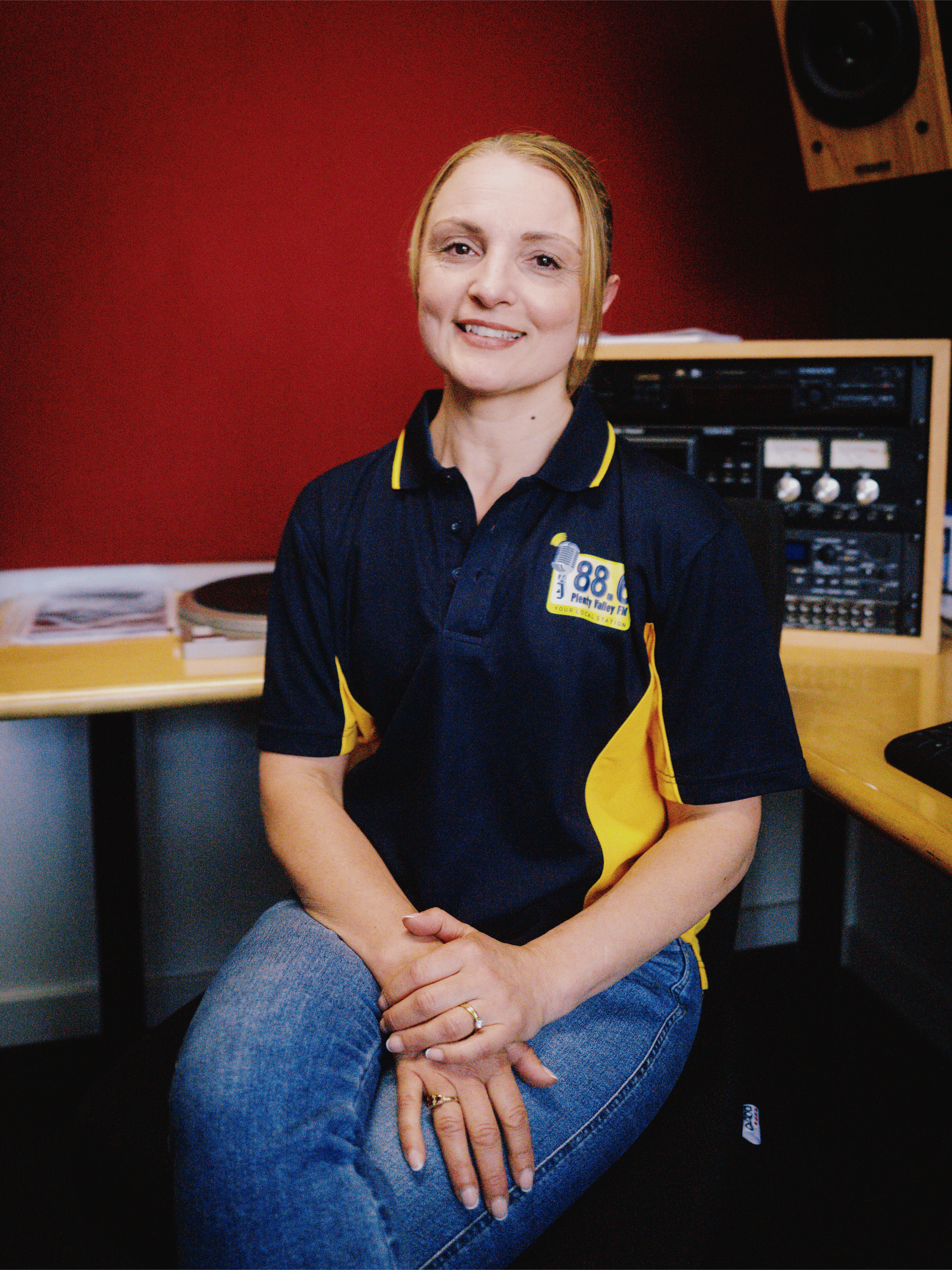
Snezana Pezzin originally got involved at Plenty Valley FM after experiencing a house fire “where I lost everything” and since then the importance of a local news source has been apparent.
“I had myself and three young boys and once the fire trucks left that night, we felt quite abandoned in terms of like, what are our next steps?”
“And I found that in that recovery process, a lot of the time, people that would speak to us would be like, oh, you guys are okay. You get a new home, you get new things. And I don't think people realised the difficult experience of losing everything.”
“I created a website and some tools to help people through the recovery process. The presenter back then heard about it and then invited me to come on and talk about the project”. This experience led to Snezana’s current role and weekly radio show.
“Our station is the voice for local incidents,” Snezana explained. “And I know when you're driving along, if you hear something on the radio that's related directly to your suburb, you listen a little bit more intently.”
“I think the fact that the information that we're sending out is very local in those times, it's current information. People can connect with that information. It's not ten suburbs away.”
“And people are starting to make the connections with the stations, that there's someone that they can go to for information, someone that they can trust. And they know that they can be guided in times of a situation. I think that's really important because when it's local, I think you trust the information a little bit more and will pay attention to it.”
During an emergency
As the station’s Emergency Management Officer, Snezana‘s role is to ensure the station is prepared in case of an emergency. "If we know that there is a high-risk day, then we're making sure that there is someone at the station ready to go”.
“This ensures we will be ready to broadcast warning messages coming through.”
As a station run by volunteers, one difficulty during large emergencies can be maintaining adequate staffing throughout.
Last summer they trialed a new system “so that we had people here and we were creating an environment where our presenters could work from here as a remote working.”
On those high-risk weather days the presenters would sit in one of the studios and monitor station emails while doing their normal workday. The station also has a dedicated volunteer technical team that allows seamless coverage in an emergency.
“It worked really well. We also created a roster so we can call on people to make sure that they are here, ready to go.”
Find your local emergency broadcaster
Bill’s advice for receiving key information during an emergency is simple. “Have your radio tuned to your local emergency broadcaster.”
“Have a battery powered radio handy as well, because power and mobile phone coverage can go off or be disrupted at any time.
“Have some method of keeping your communication systems alive. Have a power bank for your phone and have spare batteries for your transistor radio.”
A full list of Victoria’s emergency broadcasters is available here.
